We use cookies to ensure a comfortable browsing experience on our website and to continuously improve its features, performance, and usability through traffic analysis. Learn more.

Are you wondering what a tufted rug actually costs — from the very tufting gun to the last centimeter of backing fabric? Do you want to know where it makes sense to invest and where you can save without sacrificing quality? Looking for a reliable cost breakdown that protects you from surprises? Keep reading. Here’s a clear, practical cost overview for DIY creators and small-batch production.
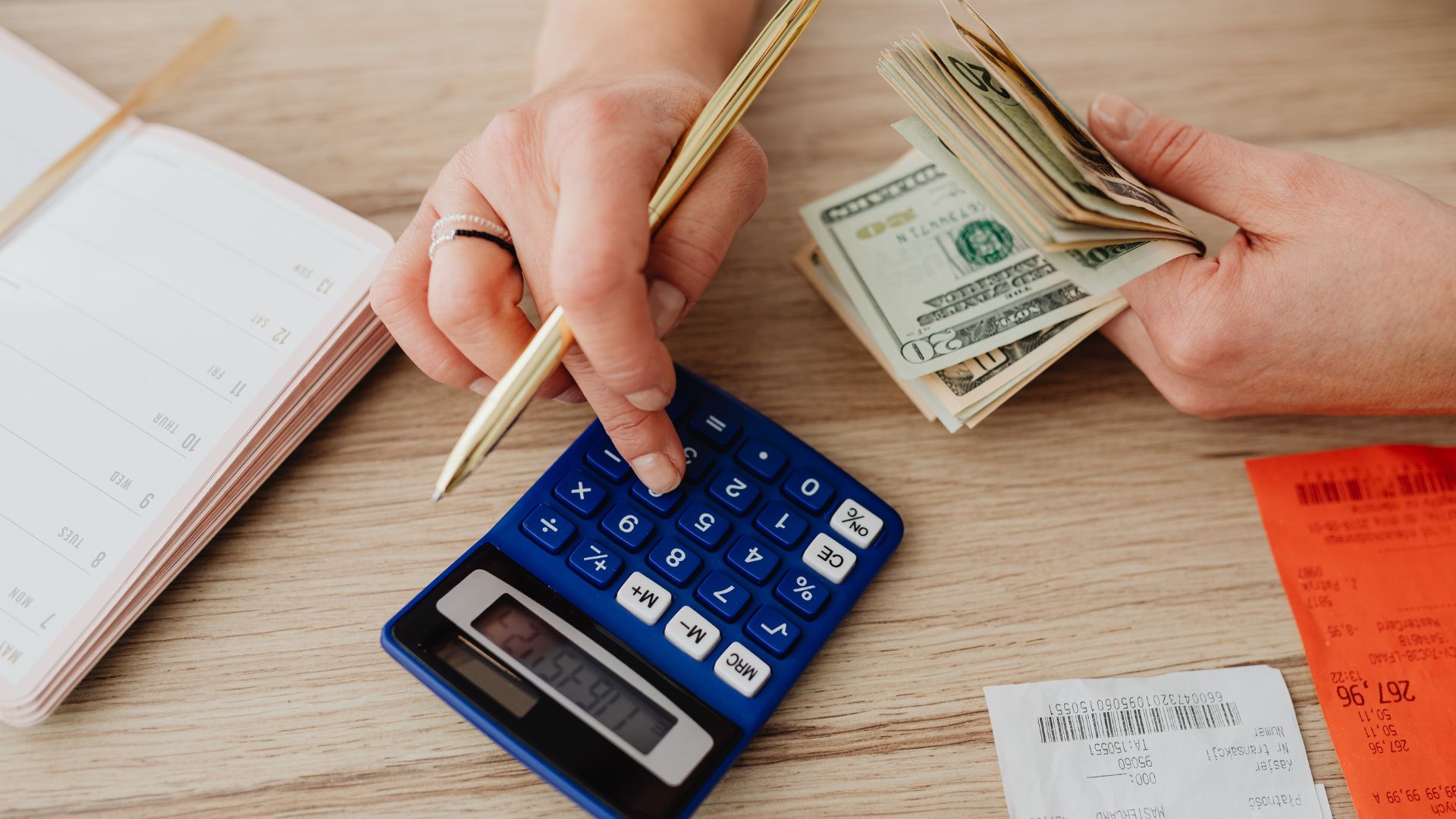
What defines the cost of tufting?
The final price is determined by one-time investments, materials per piece, and working time. The more detailed the design, the denser and higher the pile, and the higher the expectations for clean edges and a smooth finish, the more expensive each square meter becomes.
Yarn is almost always the biggest cost factor per rug. Primary backing cloth (such as Monk’s Cloth), adhesive/latex for fixing the pile, and backing material (felt, fleece, anti-slip) follow behind it.
Your tufting density (stitches per area) and pile height directly influence yarn consumption. In practice, doubling the density often requires far more than twice the amount of yarn — because you reduce empty spots and increase overall fullness. This drives both material and labor costs.
Aside from materials, process quality matters: well-stretched fabric, precise pattern marking, consistent gun pressure, and controlled trimming/shearing. Mistakes lead to rework, which costs time and increases glue consumption. If you produce small series, experience and planning reduce your cost per piece significantly.
One-time costs vs. ongoing tufting costs
One-time costs: tufting gun, frame/stand, stretchers/grippers, scissors/trimmers, and possibly a hand or electric shearer. You buy these once. Their cost spreads across all rugs you create. A reliable gun and stable frame pay for themselves by the second or third project thanks to fewer mistakes and better control.
Ongoing costs: yarn (wool, acrylic, blends), primary backing, glue/latex, secondary backing, edge tapes or binding, expendables (tape, chalk/markers). These are the variable costs that scale with size, density, pile height, and complexity.
Plan with a realistic waste margin. For early projects, 10–40% extra yarn for testing, color changes, trimming, and corrections is completely normal. With experience, the waste percentage drops significantly.
Material choices and quality grades
Yarn:
- Wool offers natural feel, elasticity, and rich matte tones — ideal for premium pieces and long-lasting rugs.
- Acrylic is budget-friendly, vibrant in color, and easy to maintain — great for bold motifs, logos, and quick projects.
- Blended yarns balance feel and price — a solid mid-range choice.
Primary backing: Monk’s Cloth is a safe, reliable choice thanks to its structure and stretch behavior. Backings that are too coarse or too tight make precise tufting harder and can cause ripples — hidden extra costs through rework.
Glue/latex & backing: The adhesive locks the yarn securely in place. Don’t cheap out too much here: good products reduce shedding and extend lifespan. Backing materials (felt, fleece, anti-slip) add stability, comfort, and a professional finish.
How rug size impacts your tufting costs
Absolute prices depend on your local market and chosen materials — what matters more is the cost logic:
- Small pieces (approx. 30–40 cm) require little yarn and glue, and often leftover backing is enough. They’re perfect for testing density, pile height, and color combinations.
- Medium rugs (approx. 80–120 cm) raise yarn consumption noticeably. This is where density and shearing time start to matter.
- Large pieces (150+ cm) need much more yarn, more adhesive, and more organized drying time — mistakes become expensive because they affect more surface.
DIY, starter kit, or workshop? What pays off?
- DIY is the cheapest on paper but costs time for research, testing, and avoiding wrong purchases.
- Starter kits bundle compatible parts — you save stress, reduce waste, and reach repeatable results faster.
- Workshops are an investment in knowledge: proper stretching, safe gun handling, clean trimming, glue application, and drying management. This significantly lowers cost per piece because you make fewer mistakes and find the right setup faster.
If you want to sell your rugs, workshops pay off even more — the learning curve directly improves quality, time efficiency, and customer satisfaction.
Commonly asked questions — clear answers
How much does yarn influence the price?
A lot. Yarn is the biggest variable cost. High-quality yarn is worth it for visible or tactile areas; less critical surfaces can use cheaper materials.
Is a tufting kit worth it?
A tufting kit is especially worthwhile for beginners. Compatible components and fewer wrong purchases reduce overall project costs.
What should I do with leftover yarn?
Plan small products (coasters, mini logos, key tags) and design areas so that leftover yarn can be put to use.
When is it worth upgrading your tufting gun?
When weight, vibration, or precision become limiting — for detailed motifs or small series, the upgrade pays off quickly.
How do I plan the right amount of glue?
Apply it thinly and evenly, matched to your pile height. Too much glue = longer drying time + higher consumption.
Conclusion: How costly is tufting?
Tufting costs depend entirely on your quality goals, design, and workflow. The biggest cost drivers are yarn, density/pile height, and the time you spend on finishing. Small projects keep costs low and are ideal for learning. Medium pieces offer the best balance of impact and budget when you manage density well. Premium rugs cost more — due to high-quality yarns, precise shearing, and professional backing — but they offer durability and a superior look. If you calculate materials + time + overhead + fair margin, you end up with prices that are sustainable and convincing. With good planning, a clean setup, and a bit of routine, you’ll achieve predictable, transparent costs — and results you can see and feel.