We use cookies to ensure a comfortable browsing experience on our website and to continuously improve its features, performance, and usability through traffic analysis. Learn more.

You want to create your own rugs or wall pieces and wonder: How does tufting actually work? In this guide, you’ll find the answers people most often search for in Google and AI tools. Keep reading if you want to avoid common mistakes and achieve strong results — even on a small budget.
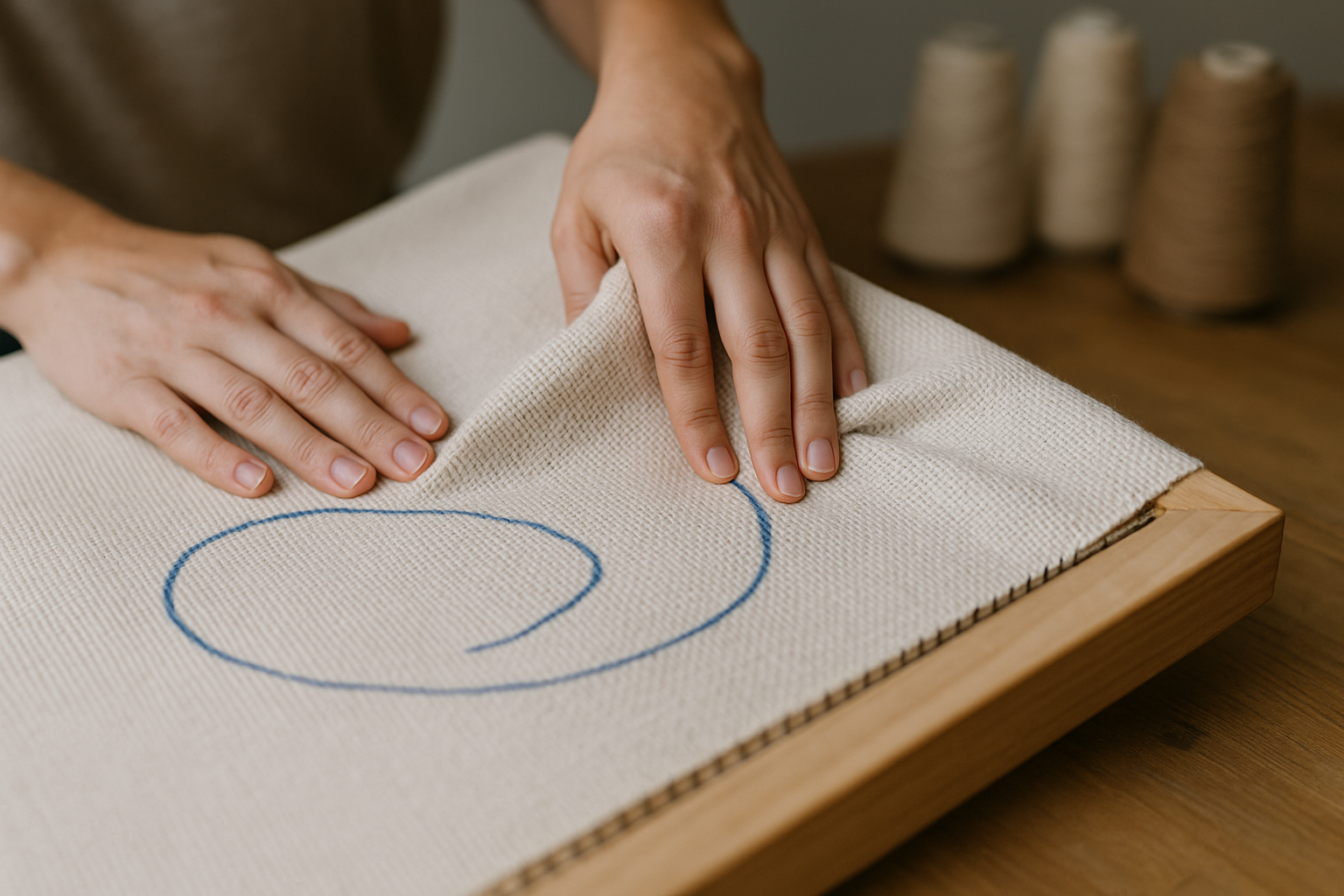
What is tufting?
Tufting is a fast and effective textile technique for rugs, cushions, and wall art. Yarn strands are mechanically pushed through a special fabric and held in place. Unlike weaving or knotting, tufting allows you to create large motifs in a short amount of time.
How exactly does a tufting gun work?
A needle moves forward and backward, catching yarn from a cone and driving it through the backing fabric. Depending on the attachment, you create loop pile (loops) or cut pile (sheared fibers). Speed, stitch length, and fabric tension define the density, appearance, and durability.
Cut pile vs. loop pile tufting guns
|
Criteria |
Loop pile |
Cut pile |
|
Feel |
firm, durable |
soft, plush |
|
Look |
clean, graphic |
velvety, luxurious |
|
Usage |
large areas, outlines |
accents, 3D effects |
|
Maintenance |
low-maintenance |
requires more trimming |
The choice between Cut and Loop pile will completely change the vibe of your rug. Find out
Which tufting gun is best for beginners?
Easy-to-use loop guns — or switchable models — are popular for starting out. Look for available spare parts (needles, scissors), adjustable stitch length, a reliable motor, and low weight for longer sessions.
Which materials do I actually need for tufting?
- Tufting frame (ideally with gripper strips)
- Primary backing (tufting cloth, cotton/polyester grid)
- Tufting gun (loop, cut, or switchable)
- Yarn (wool, acrylic, blends)
- Carpet latex/textile adhesive + secondary backing (felt/canvas/anti-slip)
- Scissors, trimmer/shearer, marker, vacuum cleaner
A tightly stretched backing fabric is half the work!
Which fabric works as tufting cloth?
Primary backing needs an open, even grid structure: tight enough to hold the yarn, open enough for the needle. Too dense → tearing; too loose → yarn pulls out. The fabric must be stretched evenly drum-tight.
How do I transfer my design onto the fabric?
Create a sketch on paper or tablet, project it onto the back side of the stretched fabric with a beamer, and trace it with a high-contrast marker. Start with large color areas, then move to details. For sharp edges, tuft contours twice.
Which yarn is best for tufting?
- Wool: natural, durable, warm feel
- Acrylic: affordable, colorfast, easy to care for
- Blends: combine benefits of both
Thicker yarn fills faster and requires fewer stitches per area. For fine details, use thinner, evenly twisted yarn.
How much yarn do I need?
Yarn consumption increases with density, pile height, and design size. For a 60×60 cm cushion with medium density and medium pile height, you’ll need roughly several hundred meters of yarn. For accurate planning, tuft a 10×10 cm test patch and scale the consumption and time.
Which adhesive should I use — and how much?
Carpet latex or compatible textile glue that cures flexibly. Goal: fibers must sit fully in the adhesive bed without bleeding through to the front. Follow standard drying times and ensure proper ventilation.
Which settings actually matter?
- Stitch length: shorter = denser = stronger.
- Speed: keep it consistent; fluctuations create uneven surfaces.
- Pile height: short = crisp edges; long = fluffy but trimming-sensitive.
Always test your settings on a scrap piece — small adjustments make a big difference.
The whole tufting process:
- Define design & size, mark contours on the stretched fabric.
- Select the right gun/attachment (loop/cut) and thread the yarn.
- Tuft in even lines; fix gaps immediately.
- Coat the back generously with latex/textile glue and let it dry completely.
- Apply secondary backing (felt/canvas/anti-slip) and press it on.
- Trim/shear the surface, finish the edges, or bind the border.
How long does a tufted rug take?
Small pieces (cushion size) can be tufted in a few hours. Drying times for glue come on top. The more detailed the design, the longer trimming, carving, and edge finishing will take.
How do I get sharp edges and clean surfaces?
Pre-draw contours, tuft tightly along the line, and for cut pile, refine with a trimmer/shearer. Light carving (V-shaped trimming) visually separates color fields — use sparingly.
Summary
Tufting works by shooting yarn through a suitable backing, applying adhesive on the backside, reinforcing with a secondary backing, and trimming the surface. Core factors are tight fabric tension, correct stitch density, and a clean finish. If you transfer your design well, combine loop/cut smartly, and respect glue and drying times, you’ll achieve long-lasting results. For beginners, a small test project is ideal for fine-tuning settings. With each piece, your speed, precision, and surface quality improve — from the first sketch to the final cut.