We use cookies to ensure a comfortable browsing experience on our website and to continuously improve its features, performance, and usability through traffic analysis. Learn more.

Tufting ideas
Tufting is a fun and creative way to make your own unique home decor. With a little practice, you can create beautiful rugs, pillows, and other things that will add a touch of personality to your space. In this very article, we've put together tufting ideas for beginners, as well as tips for more advanced tufters.
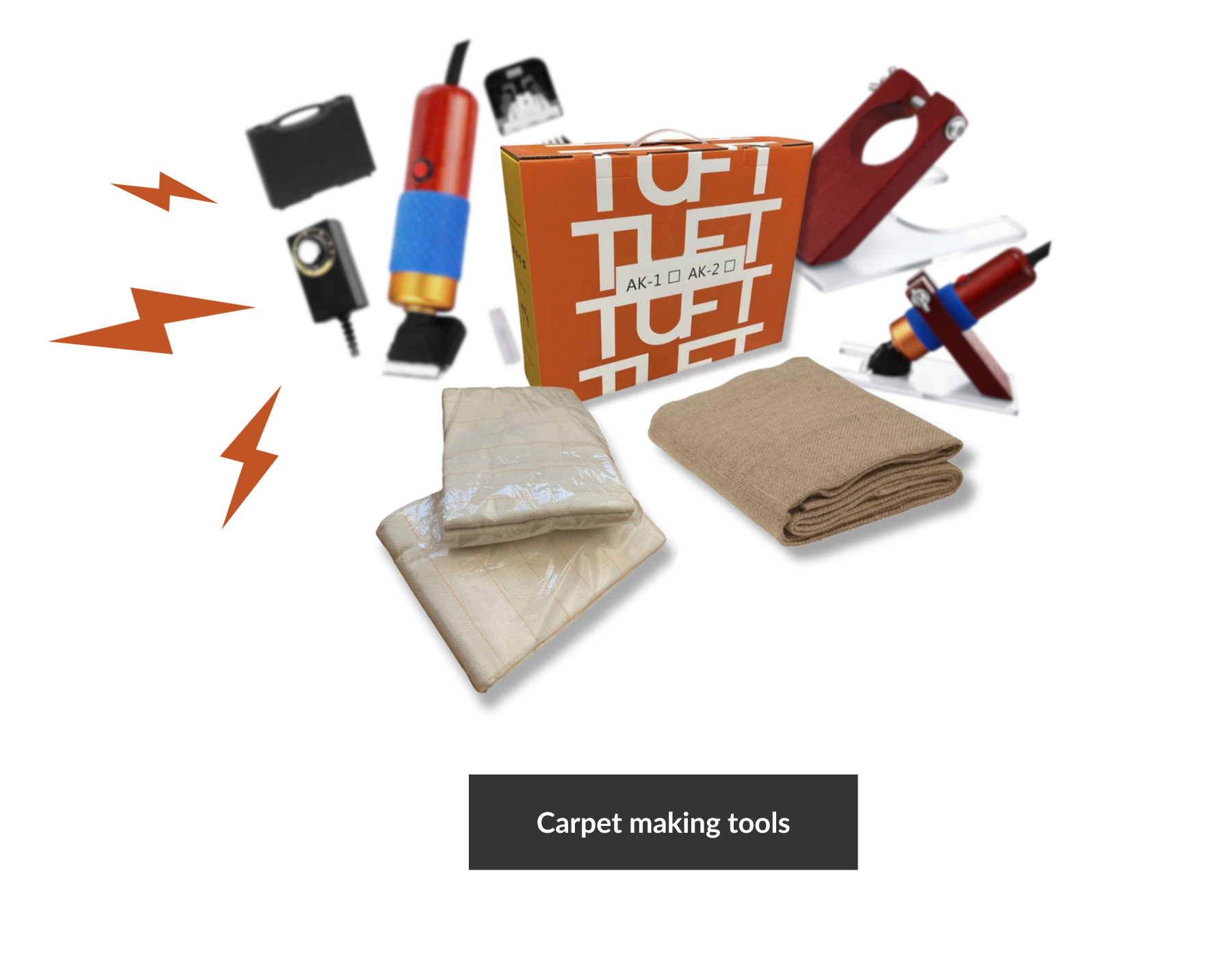
What can I make with tufting?
The possibilities are endless! With tufting, you can create anything from simple rugs to complex wall hangings. Rugs are a classic tufting project. You can create rugs in any size or shape, and you can use a variety of different yarns to create different textures and patterns. Here are a few ideas to get you started.
Tufted rug
Hand-tufted rugs are a fantastic way to express yourself while adding warmth and personality to a space. For those looking for rug tufting ideas for beginners, consider starting with simple shapes and smaller sizes, like runners or accent pieces.
Try using soft pastels for a child’s room or bold, contrasting colors to make a statement in a modern living room. Mixing different yarns, like natural fibers such as wool and cotton with synthetic materials, can add unique textures and styles, helping the rug stand out as a key design element.
Tufted pillow
Tufted pillows are a versatile way to add texture and visual interest to a sofa, bed, or armchair. You can make them round, rectangular, or even heart-shaped to bring a playful touch. Consider creating pillows with patterns like geometric shapes, floral designs, or even abstract art.
By using different types of yarns, you can experiment with textures—soft, fluffy yarn for a cozy vibe, or thicker yarns for a bold, statement look.
Tufted wall hanging
Wall hangings are a beautiful way to bring personality and texture to bare walls. You can design pieces in any shape or size, from minimalist designs with simple lines to large, colorful statement pieces.
Try using neutral tones for a calming effect in bedrooms, or bright colors to create a focal point in a living room. Mix different yarn types and techniques to add depth and dimension, turning each wall hanging into a unique piece of art.
Tufted art
Tufting can also be used to create unique art pieces with endless possibilities. From small, framed works to larger installations, you can design pieces with different patterns, colors, and textures.
For a modern look, consider geometric or abstract shapes, or go for something playful like a tufted animal or nature scene. Using a variety of yarn types and thicknesses can add interesting layers to your artwork, making each piece a one-of-a-kind creation.
Tufted accessories
Accessories like coasters, placemats, and even clothing items are great ways to showcase your tufting skills in functional, everyday items. You could make coasters with colorful, circular patterns, or placemats with simple, elegant designs that match your table decor.
For something unique, try adding tufted patches to clothing or creating small tufted bags or pouches. These pieces are perfect for adding a touch of handcrafted charm to your daily life
Simple tufting ideas
If you're new to tufting, you may want to start with a simple project. Here are a few ideas to get you started:
- A simple rug is a great way to learn the basics of tufting. You can use a basic pattern or create your own design.
- A pillow is another great way to learn the basics of tufting. You can use a simple pattern or create your own design.
- A wall hanging is a great way to add some personality to your walls. You can use a simple pattern or create your own design.
Here are some tips for creating simple tufting projects:
- Start with a small project. This will make it easier to learn the basics and avoid making mistakes.
- Use a basic pattern. This will help you get a feel for the process.
- Don't be afraid to experiment. Try different yarns and textures to create your own unique look.
Advanced tufting ideas
Once you've mastered the basics, you can start experimenting with more advanced techniques. Here are a few ideas to get you started:
- Create a complex pattern. You can use a pre-made pattern or create your own.
- Use different yarns. Experiment with different textures and colors to create unique looks.
- Add embellishments. You can add beads, buttons, or other embellishments to your projects to add a touch of personality.
Here are some tips for creating advanced tufting projects:
- Plan your project carefully. This will help you avoid making mistakes.
- Use high-quality materials. This will help your projects look their best.
- Practice, practice, practice! The more you tuft, the better you'll get.
- Tufting is a fun and rewarding hobby that can be enjoyed by people of all ages. With a little practice, you can create beautiful and unique pieces that will add a touch of personality to your space.