We use cookies to ensure a comfortable browsing experience on our website and to continuously improve its features, performance, and usability through traffic analysis. Learn more.

Are you ready to transform your creative passion into a professional rug-making workspace? Setting up your first studio requires careful planning to ensure your environment is both functional and safe for long hours of crafting. Read this comprehensive guide to learn exactly how to build a high-quality tufting station from the ground up.
Finding the ideal space for your workshop
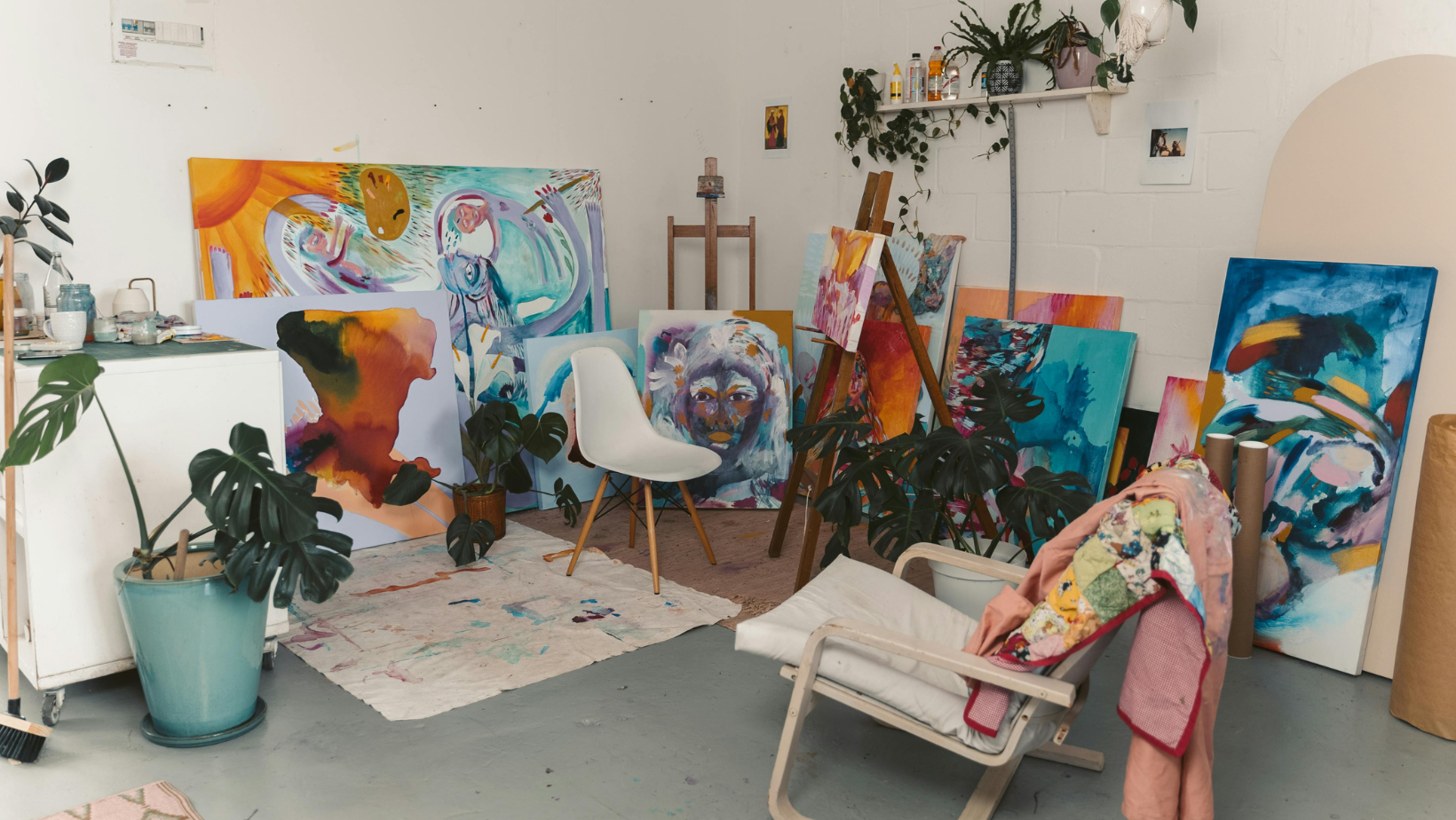
Choosing the right location for your tufting studio is the first step toward long-term success. You need a room with hard flooring surfaces because tufting creates a significant amount of yarn dust and fiber scraps.
While a spare bedroom or garage works well, ensure you have adequate electrical outlets to power your gun and projector simultaneously. Space management is crucial since you need enough room to walk around your frame to access both the front and back of your rug during different stages of the process.
The environment should also provide consistent natural light to help you distinguish between yarn shades accurately. If you are working in a basement, invest in high-quality overhead LEDs that mimic daylight.
Remember that tufting guns produce a rhythmic mechanical noise, so consider sound insulation needs if you live in an apartment. A dedicated corner allows you to keep your equipment permanently assembled, which significantly increases your productivity and creative flow.
Selecting and building your tufting frame
The frame is the backbone of your entire operation and must be constructed with durability in mind. Most beginners start with a heavy-duty wooden frame measuring approximately one square meter.
It is vital to use carpet gripper strips nailed along the edges to hold your primary tufting cloth under extreme tension. If the frame is flimsy, it will vibrate during tufting, leading to uneven stitches and potential damage to your fabric.
Mounting your frame securely is just as important as the build itself. Use strong C-clamps to attach the frame to a heavy workbench or table that does not wobble. A stable setup prevents the tufting gun from bouncing, which allows for cleaner lines and professional results.
Consider building a frame with an adjustable height feature to prevent back strain during long sessions. Your posture will thank you if the center of the frame sits at chest height.
Essential tools and the tufting gun
Deciding between a cut pile or loop pile machine is the biggest technical choice you will face. Most professionals recommend a cut pile tufting gun for beginners because it creates the classic fluffy texture that is easy to shear and finish.
Look for a model with adjustable speed settings so you can practice at a slower pace while you find your rhythm. High-quality internal components are necessary to withstand the high-speed friction of the needles.
Beyond the gun, your toolkit must include a heavy-duty yarn winder to prepare your cones. Tufting directly from a standard skein often causes tangles that can jerk the gun out of your hand.
You will also need industrial fabric shears for trimming and a duckbill napping shear for leveling the pile height once the rug is off the frame. Investing in a digital projector is another smart move, as it allows you to trace complex designs onto your fabric with perfect accuracy.
Choosing the right fabrics and yarns
The quality of your materials directly dictates the durability of your finished rug. You must use primary tufting clothmade of polyester or a cotton-poly blend, often identified by yellow guidelines every two inches.
Standard burlap is a common mistake for beginners; it is too brittle and often rips under the pressure of a tufting gun. The fabric must be stretched until it sounds like a drum when tapped to ensure the needle penetrates cleanly without snagging.
When it comes to yarn, 100% New Zealand wool is the gold standard for floor rugs due to its resilience and natural stain resistance.
However, high-quality acrylic yarn is an excellent budget-friendly alternative for wall hangings or decorative pieces. Always use double or triple strands of yarn fed through the gun simultaneously to achieve a dense, professional-looking pile. If the yarn is too thin, the backing fabric will show through, ruining the aesthetic of your work.
Mastering the tufting technique
Learning to handle the gun requires patience and a steady hand. You should always apply firm forward pressure against the cloth to keep the foot of the gun flush with the surface.
If you pull back or lose contact, the gun will likely cut the fabric rather than tufting into it. Always move in an upward direction or side-to-side depending on your design, but never move the gun backward while the needle is engaged.
Spacing your lines correctly is a skill that comes with practice. If you tuft your rows too close together, the fabric will become overly dense and may curl or tear. If they are too far apart, the rug will look sparse and cheap. Aim for a consistent gap of about two to three millimeters between your lines.
Constantly check the front side of the frame to ensure your loops or cuts are uniform and that you are filling the space efficiently.
Finishing and backing procedures
Once the tufting is complete, you must apply a flexible carpet adhesive while the rug is still on the frame. This glue locks the yarn into the primary backing, preventing it from being pulled out later.
Use a notched spreader to ensure even coverage across the entire back of the piece. Do not skimp on the glue, but avoid making it so thick that it takes days to dry or seeps through to the front of the yarn.
After the glue has cured, you can attach the final backing fabric, such as a non-slip felt or secondary rug backing. This step provides a professional finish and protects your floors. Use a high-strength spray adhesive to bond the layers together before finishing the edges with twill tape or a serging stitch.
The final shearing process is where the magic happens. Use electric rug carvers to define shapes and create a smooth, velvet-like surface.
Summary
To set up a professional tufting studio, you must assemble a sturdy frame, invest in a high-quality tufting gun, and prioritize a space with proper ventilation and lighting. Success comes from using the right primary cloth and high-quality yarns while maintaining consistent pressure during the tufting process. Always remember to apply a durable adhesive and finish your edges for a long-lasting product. By following these technical steps, you will create a functional workspace capable of producing gallery-quality rugs.