We use cookies to ensure a comfortable browsing experience on our website and to continuously improve its features, performance, and usability through traffic analysis. Learn more.

Have you ever wondered how to give your handmade tufting rug the perfect, professional finish? Choosing the right edge finishing technique plays a crucial role in the durability and aesthetic appearance of your artwork. In this article, you’ll learn everything about the most effective methods for edging, so your project looks like a designer piece. Dive into the world of professional carpet tufting and perfect your craftsmanship.
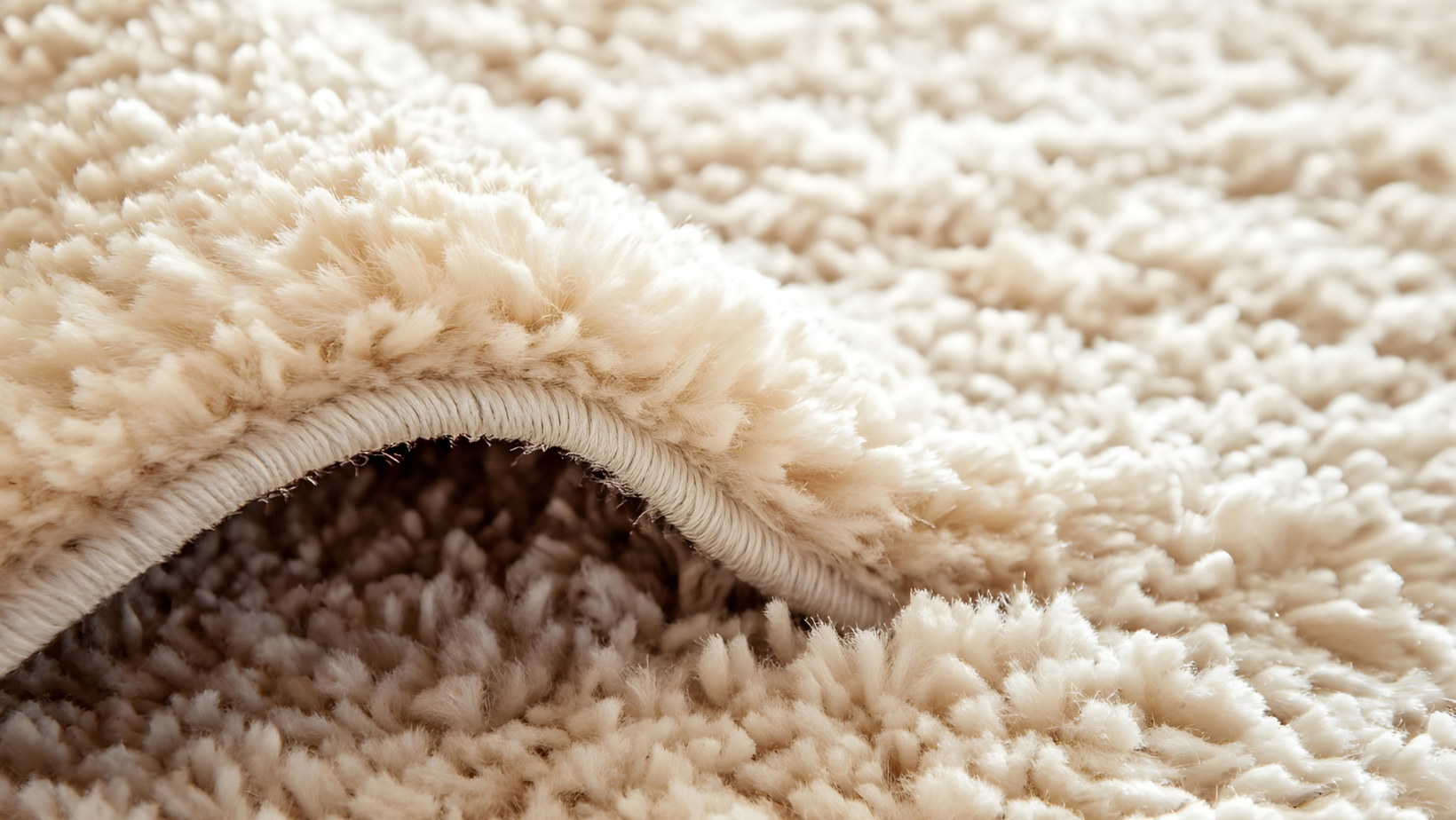
What is the best way to finish the edges of a tufting rug?
The ideal edge finish depends on the desired look and level of wear. The most common methods are folding over the primary tufting cloth (waterfall edge), binding with carpet binding tape, or the classic overlocking stitch.
For a particularly high-quality result, trimming and gluing the edges followed by adding a felt backing is often recommended, as this stabilizes the edges and protects them from fraying.
Why edge finishing is crucial for durability
Anyone who invests a lot of time and care into tufting naturally wants the result to last for many years. The edges are the most vulnerable parts of a rug, as they are directly exposed to mechanical stress from walking or vacuuming.
Without proper sealing, tufting yarn can come loose or the primary backing may begin to tear at the edges. A clean finish ensures that the structure of the fabric remains stable and the shape of the tufting rug is preserved over time.
In addition, a well-finished edge prevents dangerous curling at the corners, which can often become a tripping hazard in the home.
The popular method of folding and gluing
One of the most commonly used techniques in hobby tufting is folding the edges. During tufting, you leave about two to three centimeters of the tufting cloth and cut it after applying glue.
The excess flaps are then folded to the back and securely glued to the underside. This method creates a clean, seamless look along the sides, as the yarn reaches right up to the edge.
It is especially important to use a high-quality textile adhesive that remains flexible even after drying, so the edge does not become brittle or crack.
A dispersion rug tufting glue does exactly that – it cures into a supple film, so the folded edges stay flexible instead of snapping.
Professional carpet binding for clean contours
If you prefer a very modern or graphic look, binding with a special tape is an excellent choice.
The binding tape is wrapped around the edge and either sewn on or fixed with hot glue. This technique provides additional protection against abrasion and allows you to add color accents that highlight the design of your tufting rug.
Many professionals use this method for rugs placed in high-traffic areas, as the tape absorbs stress away from the tufted fibers. It takes some practice to guide the tape smoothly around curves, but the result looks extremely high-end.
The art of overlocking for industrial quality
Overlocking is the classic method known from commercially produced carpets. In this technique, the edge is wrapped with a dense yarn stitch, creating a very durable and uniform border.
While industrial carpets use heavy overlocking machines, ambitious makers can replicate this look using a hand overlocking technique or a strong sewing machine. This method is particularly suitable for organic shapes and curves, as the thread adapts flexibly to any contour. An overlocked edge immediately signals craftsmanship and effectively protects the fibers from coming loose.
The importance of backing with felt
An often underestimated part of edge finishing is applying the secondary backing, usually made of felt or non-slip fabric. This material is brought close to the edge and covers the folded edges of the tufting cloth.
By concealing the cut edges on the underside, the tufting rug gains additional stability and a clean appearance from both sides. A properly glued felt backing also prevents the rug from sliding on smooth floors. Make sure to cut the material precisely so that no unsightly edges protrude or uneven surfaces form.
Tools and materials for perfect edges
For an excellent result, you need more than just a pair of scissors.
A high-quality carpet scissors with curved handles makes trimming the pile at the edges much easier, as you can glide flat over the surface. Clamps or clips are also helpful for keeping binding tape in place while it dries or is being sewn.
A heat gun can help activate the adhesive faster or make the material more flexible. Anyone who regularly creates tufting rugs should consider investing in an electric carpet trimmer to cleanly level the edges after finishing and achieve a smooth transition.
Conclusion
To professionally finish the edges of tufting rugs, you can choose from various techniques such as folding, binding with tape, or overlocking. The method you choose should depend on the shape of the rug and the desired durability. A clean finish prevents the fibers from fraying and ensures an aesthetically pleasing look. By additionally applying a stable felt backing, the construction is reinforced for the long term. Pay attention to precise workmanship and high-quality adhesives to create a durable, one-of-a-kind piece. Ultimately, careful edge finishing is what gives your handmade tufting rug the character of a true quality product. This turns your rug into a durable work of art that can easily withstand everyday use.