We use cookies to ensure a comfortable browsing experience on our website and to continuously improve its features, performance, and usability through traffic analysis. Learn more.

Tufted rugs have become a popular choice in modern interiors thanks to their affordability, softness, and design flexibility. Over the past few years, they have gained attention not only among homeowners but also among DIY enthusiasts and artists who enjoy creating custom pieces. If you’re wondering what is a tufted rug, the answer lies in a simple yet efficient manufacturing process that makes these rugs both accessible and stylish. Whether you’re decorating your home, refreshing a room, or exploring rug tufting as a creative hobby, understanding how these rugs work will help you make more informed and confident decisions.
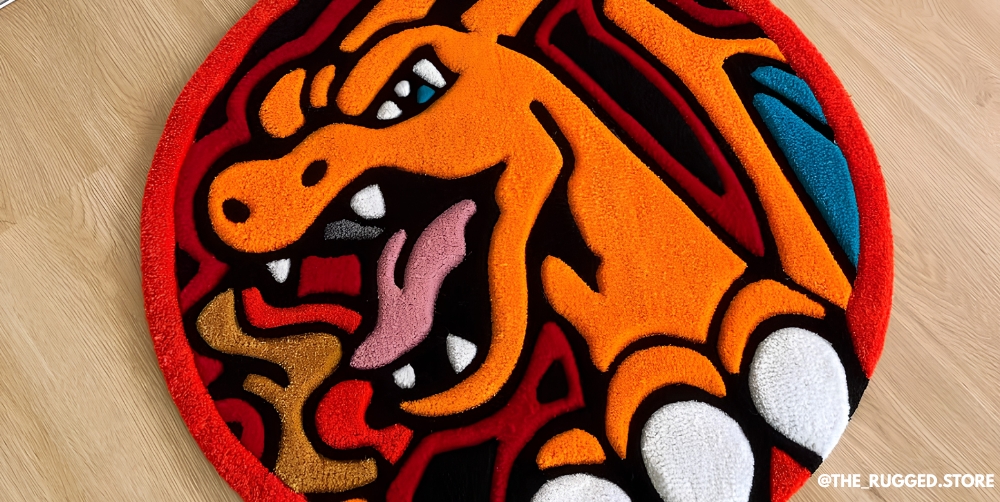
What is a tufted rug?
A tufted rug is a type of rug made by inserting yarn into a backing fabric using a tufting tool or tufting gun, rather than tying individual knots by hand. This technique allows for faster production while still achieving a soft and visually appealing surface. Once the yarn is inserted, it is secured in place with a strong adhesive, and an additional backing layer is applied to stabilize the structure and protect the underside of the rug.
This method makes tufted rugs:
- Faster to produce, allowing manufacturers and creators to complete rugs in a fraction of the time compared to traditional methods
- More affordable than hand-knotted rugs, making them accessible to a wider range of buyers
- Ideal for both mass production and DIY projects, giving flexibility to both industries and hobbyists
With the rise of tools like tufting gun, tufting machine, and tufting kit, creating custom rugs has become more accessible than ever. This growing accessibility is reflected in the increasing popularity of tufting as both a craft and a small business opportunity.
How tufted rugs are made
What does tufting involve?
Tufting involves punching yarn through a stretched backing fabric, which is usually mounted tightly on a tufting frame. This tension is important because it allows the yarn to be inserted evenly and securely. As the yarn is pushed through the fabric, it forms loops on the surface, which can either remain intact or be cut to create different textures and finishes.
Modern creators often use:
- Electric tufting guns for speed and efficiency, especially when working on larger designs
- Manual tools for more detailed or precise work, particularly in artistic projects
- Specialized tufting cloth and yarn for durability and better overall results
This combination of tools and materials allows for a wide range of creative possibilities, from simple patterns to highly detailed custom designs.
How can you tell if a rug is tufted?
You can identify a tufted rug by examining both its surface and its backing. These rugs have distinct characteristics that set them apart from other types of rugs.
- A latex or glued backing, which holds the yarn in place rather than knots
- A soft, raised pile surface that feels plush and comfortable underfoot
- A fabric backing layer covering the underside, often added for stability and a clean finish
Unlike woven or knotted rugs, tufted rugs rely on adhesive rather than knots, which is one of the main reasons they are quicker and cheaper to produce.
Types of tufted rugs
There are several types of tufted rugs, each offering different characteristics depending on how they are made and finished. Understanding these types can help you choose the right option for your space.
- Hand tufted rugs – Made using a rug tufting gun, often allowing for more artistic and custom designs
- Machine tufted rugs – Produced industrially for consistency and large-scale availability
- Cut pile rugs – Soft and plush, with a smooth texture that feels luxurious
- Loop pile rugs – More durable and textured, suitable for areas that require slightly more resilience
Advantages of tufted rugs
Variety of designs
Tufted rugs offer unmatched design flexibility, making them a favorite among both designers and DIY creators. Because the tufting process is relatively fast and adaptable, it allows for a wide range of creative expression.
- Custom shapes that fit unique spaces or design concepts
- Intricate patterns that would be time-consuming with traditional methods
- Bold colour combinations that make a strong visual impact
Using tools like a tufting frame, creators can experiment with endless tufting rug ideas, making each piece feel personal and distinctive.
Comfort
One of the biggest benefits of tufted rugs is their comfort. They are designed to provide a soft and inviting surface, making them ideal for relaxing environments.
- Soft underfoot, providing a pleasant walking experience
- Warm and cozy, especially in colder seasons
- Ideal for bedrooms and living areas where comfort is a priority
Affordability
Because tufting is significantly faster than hand-knotting, these rugs are much more cost-effective to produce. This makes them a practical choice for many households.
- More affordable compared to traditional handcrafted rugs
- Widely available in stores and online
- Great for budget-conscious buyers who still want stylish décor
Durability
Tufted rugs provide moderate durability, making them suitable for everyday use in many parts of the home. While they may not last as long as hand-knotted rugs, they still offer good performance when properly maintained.
With proper care, they can maintain their appearance and structure for several years, especially in areas with lower foot traffic.
How long does a tufted rug last?
A typical tufted rug lasts:
- 5–10 years with regular use, depending on quality and care
- Longer in low-traffic areas where wear and tear is minimal
The lifespan depends on several factors, including:
- Quality of materials used in the yarn and backing
- Type of backing and adhesive applied
- Maintenance habits, such as cleaning and rotation
Cons / disadvantages of tufted rugs
Shorter lifespan compared to hand-knotted rugs
Tufted rugs typically do not last as long as hand-knotted alternatives due to their construction method. While they are practical and stylish, they are not designed for decades of use.
Glue-based construction
Because tufted rugs rely on adhesive rather than knots, the backing can degrade over time. This is especially true in environments with heavy use or frequent movement.
The good news: this is a quality issue, not a law of nature – a flexible dispersion rug tufting glue keeps its hold for years and the rug even survives a gentle 30 °C wash.
Sensitivity to moisture
Excess moisture can weaken the glue and cause delamination or damage. This is why tufted rugs are not ideal for damp environments or areas prone to spills.
Shedding fibers
New tufted rugs may shed loose fibers, particularly during the first few months of use. This is a normal process and usually decreases over time.
Not ideal for high-traffic areas
They perform best in low to medium traffic spaces, such as bedrooms or living rooms, rather than busy hallways or entryways.
Tufted rugs vs other rug types
Hand-knotted
Hand-knotted rugs are known for their craftsmanship and longevity. Each knot is tied individually, resulting in a dense and highly durable structure.
- Extremely durable and long-lasting
- Crafted knot by knot using traditional techniques
- Considered premium and often more expensive
Hand-woven
Hand-woven rugs are created on a loom, resulting in a flat and lightweight design that is often reversible.
- Made on a loom using weaving techniques
- Flat and lightweight for easy handling
- Often reversible, adding versatility
Machine-made
Machine-made rugs are designed for affordability and convenience, making them widely available.
- Mass-produced for consistency
- Budget-friendly and accessible
- Less unique compared to handmade options
What is hand-knotting?
Hand-knotting is a traditional method where each knot is tied individually by hand. This results in high durability and intricate craftsmanship, making these rugs highly valued.
Aesthetic differences
- Tufted rugs: Plush, modern, and highly customizable
- Knotted rugs: Detailed, classic, and long-lasting
- Woven rugs: Minimalist, flat, and practical
How to choose a tufted rug
The room
Choosing the right tufted rug depends heavily on where you plan to place it. Different rooms have different needs in terms of comfort and durability.
- Living room → large centerpiece that anchors the space
- Bedroom → soft and cozy for comfort
- Hallway → more durable and low pile if used
Size and shape
The size and shape of your rug should complement the layout of your room and furniture arrangement.
- Room layout and available space
- Furniture placement and proportions
- Desired visual balance within the room
Colour and pattern
Select colours and patterns that align with your overall décor style and personal taste.
- Neutral tones for versatility and easy matching
- Bold designs for statement pieces and visual interest
You can also explore tufting designs for custom creations that reflect your personality.
Material
The material of a tufted rug affects both its feel and durability. Choosing the right one can enhance both comfort and longevity.
- Wool → durable, soft, and premium quality
- Acrylic → affordable and easy to maintain
- Cotton → natural, lightweight, and breathable
Using high-quality tufting yarn improves both appearance and longevity, making it a worthwhile investment.
Which rug is right for me?
Choosing the right rug depends on your priorities, whether it's style, durability, or budget.
- Style + affordability → tufted rug
- Longevity + luxury → hand-knotted
- Lightweight + simple → woven
Care and styling
How to care for tufted rugs?
To extend lifespan, it’s important to follow simple care practices that help maintain both appearance and structure.
- Vacuum regularly using gentle suction
- Avoid soaking with water or excessive moisture
- Clean spills immediately to prevent damage
- Rotate periodically for even wear
Proper care helps prevent backing damage and fiber loss, ensuring your rug stays in good condition.
How can we use tufted rugs in our home furnishings?
Tufted rugs can play a major role in enhancing interior design. They are versatile and can be used in various creative ways throughout the home.
- As statement décor pieces that draw attention
- Layered with other textiles for added texture
- Used as wall art or custom installations for a unique touch
DIY enthusiasts often create rugs using tools like a tufting gun starter kit or build their own rug tufting frame, turning tufting into both a creative outlet and a potential business opportunity.
Final thoughts
Tufted rugs offer an excellent balance of affordability, comfort, and creative freedom. While they may not last as long as traditional hand-knotted rugs, they provide a practical and stylish solution for modern interiors. Whether you’re buying one or making your own, tufted rugs remain a versatile and appealing choice for a wide range of spaces.