We use cookies to ensure a comfortable browsing experience on our website and to continuously improve its features, performance, and usability through traffic analysis. Learn more.

(Updated: March 2026)
Are you interested in how hand-tufted carpets are made? Tufting is a carpet making technique that uses a special tufting gun to create loops of yarn. Although it is possible to tuft by hand with hooks, the use of an electric gun is more popular today. This article will give you a detailed insight into this beautiful craft, including preparing materials, designing patterns, the actual tufting and finishing.
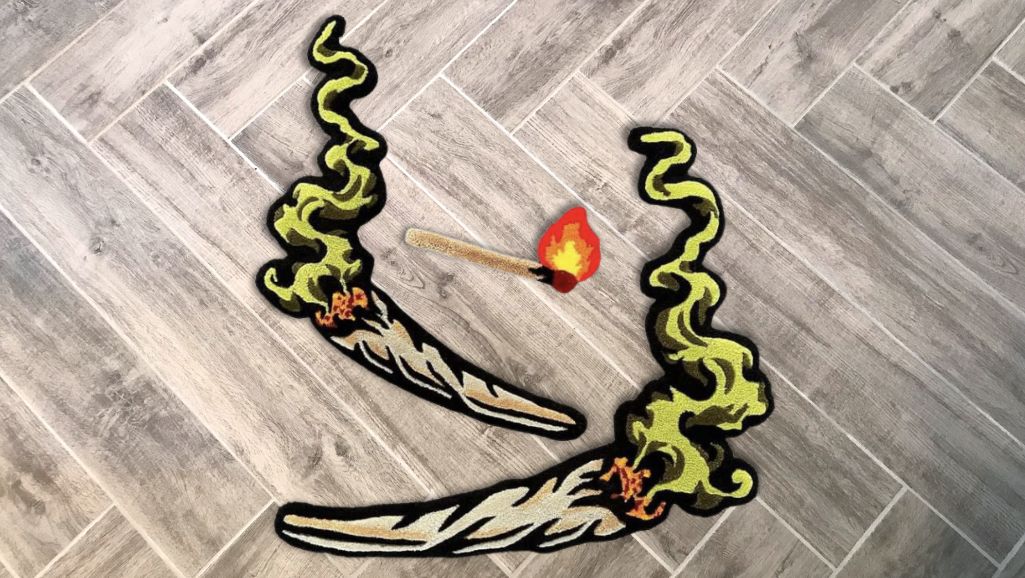
Simply put, tufting is a carpet making technique that uses a special tufting gun. The gun shoots loops of yarn through the mesh fabric, allowing for the creation of furry patterns and textures.
Tufting can be done by hand with hooks or by machine with an electric gun, which is the more popular option these days. The result can be home accessories such as rugs and cushions as well as works of art. But let's explain more about this beautiful craft.
Tufting has its own vocabulary and logic that can feel overwhelming at first – what tufting means is a good place to start.
The process of making a hand tufted carpet
Transforming yarn into beautiful tufted rugs is a precise and intricate process. Each step requires skill, patience and attention to detail. Understanding the rug making process is key to creating a quality product that will last for many years.
Material preparation
The first step is to prepare the material that forms the basis of the carpet. The most common material for tufting is monk's cloth, a durable and strong fabric that provides a stable base for the yarn. Before tufting begins, the fabric must be properly stretched and secured to the frame to prevent shifting or rippling.
Pattern design
The next step is to design the pattern of the rug. The pattern can be created by hand or with software. Once the pattern is complete, it is transferred to the prepared fabric using a pen or marker. This serves as a guide for the tufting process and ensures that the finished product faithfully matches the original design.
Tufting yarn
The actual tufting involves pushing the yarn through the fabric with a tufting gun. A tufting gun is a hand-held device resembling a large needle with a handle. The yarn is fed through the gun, which pushes it through the base fabric and creates loops that are then cut to form the pile of the rug. By repeating this process, the yarn is tufted into the designated areas and the design begins to take shape.
Finishing
Once all the yarn has been tufted, the edges of the rug are finished. The edges can be finished in a number of ways, including gluing or stitching the yarns together or adding backing material to secure the yarn. Finishing not only gives the rug a professional look, but also protects it from fraying and wear over time.
.jpg)
What you need for tufting
Having the right tools is crucial for successful carpet tufting. A tufting gun (for example our favorite model AK-V), yarn, a frame with stretched fabric, scissors, thread and a pencil are essential.
The choice of yarn and fabric greatly influences the final look. It is important to choose quality and durable materials. High quality materials will of course guarantee both beauty and longevity.
Tufting gun
One of the most important tools for tufting carpets is the tufting gun. This tool quickly and accurately introduces the yarn into the fabric. The tufting gun uses a needle that pushes the yarn through the fabric and creates loops on the opposite side. The gun can be manual, electric or pneumatic and allows you to create a cut or looped pile according to the pattern.
Yarn
Technically any type of yarn can be used to make tufted rugs, but for best results with a tufting gun we recommend wool, cotton or acrylic yarn. The type of yarn used will affect the texture and durability of the product, as well as the smoothness of the tufting process. It is important to choose a strong and durable yarn that can withstand the load of the feet.
Frame and fabric
To use a tufting gun, you need to stretch the base fabric tightly over the frame. You can then use the tufting gun to push the yarn through the backing fabric to create the pattern. The main options include: primary tufting fabric in grey and white, monk's cloth and jute. The shape and size of the tufting frame is not fixed - it all depends on your needs and capabilities. The main components of the frame are wooden planks such as 2x4s, nails and carpet runners.
Other tools and equipment
Other tools and equipment needed for carpet tufting are: glue to secure the back of the carpet, scissors to cut the yarn, thread for pulling the yarn through the tufting gun, tape measure to measure the fabric and yarn, bobbins to hold the yarn.
.jpg)
Growing popularity
Since 2018, tufting has become more popular. Probably thanks to Tim Eads, who started an online community, electric tufting guns are readily available. Tufting creates both practical and decorative pieces.
The short formats on TikTok and Instagram are perfect for showcasing this textile art. Availability on social media has brought a wider audience. However, the number of cases where copyrighted works are being copied illegally is on the rise.
Who is tufting for?
Tufting is for anyone who wants to create something with their hands. You do not need an art degree or years of experience. You mainly need time, curiosity and a willingness to learn.
It often attracts people between 20 and 40 years old. Many live in cities and want original home decor instead of mass-produced pieces. It can suit creatives who want custom pieces, designers testing texture and color, people looking for a new hobby after work, or friends and couples who want to join a workshop together.
The positive benefits of tufting
Tufting has practical benefits beyond the finished rug. Repetitive hand movement can help reduce stress. A study published by the American Art Therapy Association showed that creative activity can reduce cortisol levels by up to 25 percent. Cortisol is a stress hormone.
Many people also notice better focus, improved hand coordination, stronger patience and a clear sense of achievement. You create something physical and useful, and a finished rug can last for years.
What types of tufting are there?
There are two main methods. You can use a tufting machine, or you can use a punch needle. Each method has different costs, speed and working style.
Punch needle. A cheaper alternative
A punch needle is a manual tool that looks like a thick hollow needle. You push the yarn through the fabric by hand, so no electricity is needed. It is usually more affordable, quieter and better for small details.
The main downside is speed. It takes more time than machine tufting, but for smaller pieces it works very well.
How can I try tufting?
You can start at home or book a local workshop. If you want an easy way to begin, Tufty offers everything needed for tufting, including options suitable for complete beginners. In some European cities, a workshop costs between 80 and 150 EUR for several hours, including materials and guidance.
If you are just starting, it is best to choose a small format, a simple design and thicker yarn. It also helps to test stitch density before making the final piece. Proper fabric tension is important, because loose fabric can ruin the final result.
Tufting ideas and inspiration
You can find inspiration online almost everywhere. Popular ideas include bold geometric shapes, simple text or quotes, retro 90s graphics and nature-inspired patterns. You can also turn your own illustration into a rug, which makes the project feel more personal.
Inspired? Start now
Tufting is not complex, but it requires focus. Your first piece will not be perfect, and that is normal. Skills improve with practice.
You might even find that the process matters more than the final rug. The steady motion, the color choices and the visible progress are often what make tufting enjoyable.
So how to explain tufting?
Tufting is therefore a way of turning yarn into artistic and practical items such as rugs and cushions. The first step involves preparing the material and designing the pattern. Next, the pattern is transferred to the fabric. During tufting, a tufting gun shoots yarn into the fabric, forming the rug's backing.
The finishing process includes reinforcing the edges and adding a backing material. Choosing the right tools and materials is crucial for the quality and durability of the final product.
Frequently Asked Questions about Tufting
Is tufting hard for beginners?
Tufting is considered beginner-friendly, but it requires practice. Beginners often need time to control line precision, yarn density and pile height. With a few small projects, most people improve quickly.
How long does it take to make a hand-tufted rug?
The time needed to tuft a rug depends on its size and design complexity. Small rugs may take 3–6 hours, while medium and larger pieces can take one to several days.
What yarn is best for tufting?
Wool, cotton and acrylic yarn are commonly used for tufting. The best choice depends on the desired texture, durability and how smoothly the yarn runs through the tufting gun.
What is the difference between hand-tufted and hand-knotted carpets?
Hand-knotted carpets are made knot by knot and require significantly more time. Hand-tufted carpets are created using a tufting gun, making the process faster and more affordable while still allowing creative designs.
What fabric is used for tufting?
Monk’s cloth and primary tufting fabric are the most common backing materials. The right fabric for tufting must be strong and tightly stretched to prevent movement during the tufting process. (Learn more about which fabric to use for tufting in another article.)
How do you finish a tufted rug?
Finishing a tufted rug includes applying glue to the back, adding a backing layer, trimming the surface and reinforcing the edges. This improves durability and gives the rug a professional appearance.